Shared accommodation
200-Hour TTC
Shared stay
$1,150 USD / person
24-day training · 23 nights · meals
- Shared room accommodation
- Full course programme
- Three vegetarian meals daily
Mira Yoga Retreat · Upper Tapovan
You don’t need to have a teaching career planned to spend these weeks with us. You might be new to yoga, travelling through India, returning to a practice you miss, or simply curious about what a little more time on the mat could mean for you.
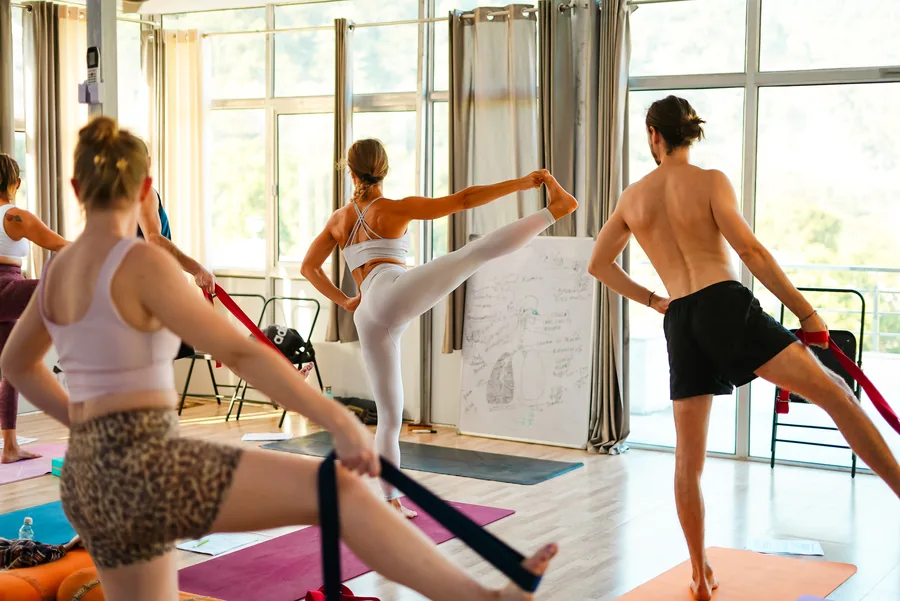
Mira Yoga Retreat’s 200 hour yoga teacher training in Rishikesh is a 24-day residential programme combining Hatha yoga, Ashtanga Vinyasa, pranayama, meditation, anatomy, philosophy and teaching practice. The course is taught in English and includes 23 nights of accommodation and three vegetarian meals daily.
Perhaps you enjoy yoga but have never had time to ask why a posture is taught a certain way, or how to practise on your own. Here, you have time to explore those questions through movement, breath, conversation and study. Teaching practice is part of the course, even if you are joining mainly for yourself. You can decide what you want to do with that experience afterwards.
Study in Upper Tapovan, Rishikesh, with shared accommodation at USD 1,150 or a private room at USD 1,350 per person. Explore the 200-hour TTC syllabus , daily training schedule and course inclusions , then ask about the batch that suits you.
Residential training · Hatha & Ashtanga Vinyasa · English instruction
Read real student reviews → Rating checked 6 October 2026You can begin from where you are
Yes—you can join for your own practice, to explore yoga during a longer visit to India, or to take your first steps towards teaching. Beginners are welcome. You do not need to arrive flexible, know the Sanskrit names of poses, or be certain about what comes next.
If you have an injury or need particular support, speak with us before booking. We can talk through the daily routine and help you consider whether it suits you.



Your qualification, clearly explained
Mira Yoga Retreat is registered with Yoga Alliance as an RYS 200. The school registration certificate shown here is valid until 13 July 2027 .
On successful completion of the course requirements, you receive Mira’s 200-hour yoga teacher training certificate. Eligible graduates can then apply separately for Yoga Alliance RYT 200 registration; membership requirements and fees apply.
View school registration PDF ↗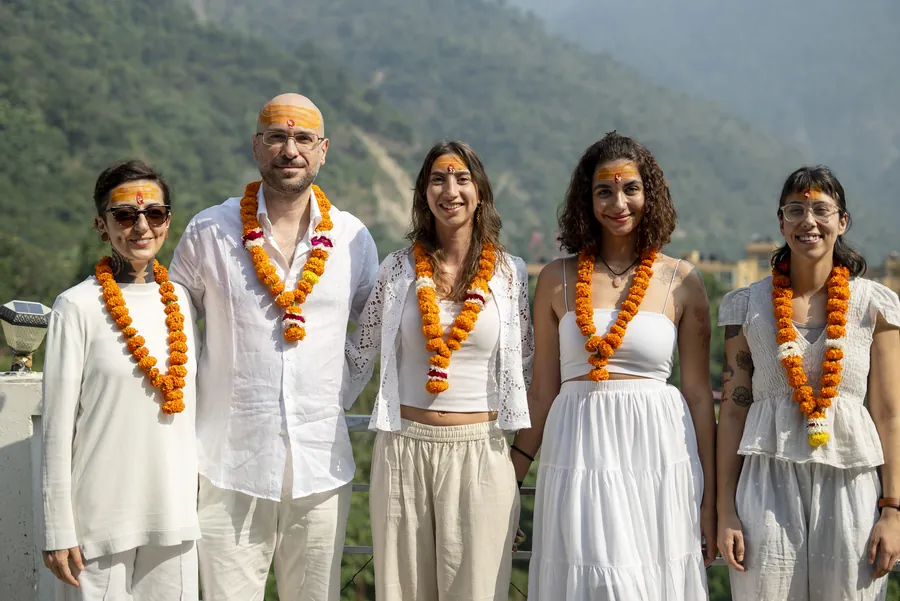
One training programme · two residential options
A residential 200-hour yoga teacher training in India, including tuition, 23 nights and three vegetarian meals daily.
Prices are in USD. See what is included and what costs extra . Deposits are non-refundable; review the booking policy before payment.
Plan your training
The 200 hour yoga TTC in Rishikesh covers 14 subject areas. Asana, breathwork and meditation are supported by anatomy, philosophy, alignment and teaching methodology. The course runs from the 1st to the 24th of each published batch month.
Yoga, study, meals and community—together in one residential experience.
Explore a typical day →Inclusions, exclusions & packing
Compare what the residential fee covers before you book. Shared and private options include the same course programme; the accommodation choice changes the room arrangement.

Your residential package

Plan these separately
Keep it comfortable and practical. Choose layers for your course season and leave space for your daily essentials.
14 subjects · Practice, theory & teaching
Explore each module for the detailed topics and practices covered in the course.
Part I · Modules 01–07
Study posture names, practice stages, alignment, modifications and contraindications. Explore standing, seated, twisting, forward-bending, back-bending and inverted postures.
Connect breath and movement through sun salutations and primary-series foundations. Study the sequences and the transitions between postures.
Learn to observe a posture, offer clear cues and adapt practice to individual needs. Explore adjustments with attention to consent and student comfort.
Explore Kundalini as a traditional approach to awareness, combining posture, breath, mantra and meditation. Study these practices in their yogic context.
Explore the structure and movement of the body, including the spine, pelvis, joints and upper limbs. Connect anatomy with practical teaching decisions.
Study the meaning, preparation, techniques and contraindications of pranayama. Learn how to introduce breathing practices step by step.
Study traditional yogic cleansing practices, their preparation and precautions under teacher guidance.
Part II · Modules 08–14
Explore the traditional concept of bandhas, their relationship with breath and the foundations of practice.
Study traditional hand gestures and their place in meditation, concentration and yogic practice.
Explore preparation, posture, awareness and concentration through guided meditation practices.
Learn approaches to relaxation and guided rest, including the foundations of Yoga Nidra.
Explore traditional mantras, pronunciation and the use of sound within yoga practice.
Study yoga beyond asana, including its philosophical foundations, ethics and application in daily life.
Bring your studies together through class planning, sequencing, demonstration, communication and teaching practice.
Life as a student
All times below are local to Rishikesh (India Standard Time, UTC+5:30). Your day moves between physical practice, breathwork, theory and meals. This sample schedule shows the rhythm of the 200-hour course, with breaks for rest and self-study.
The timetable is indicative and may change for teaching sessions or excursions.
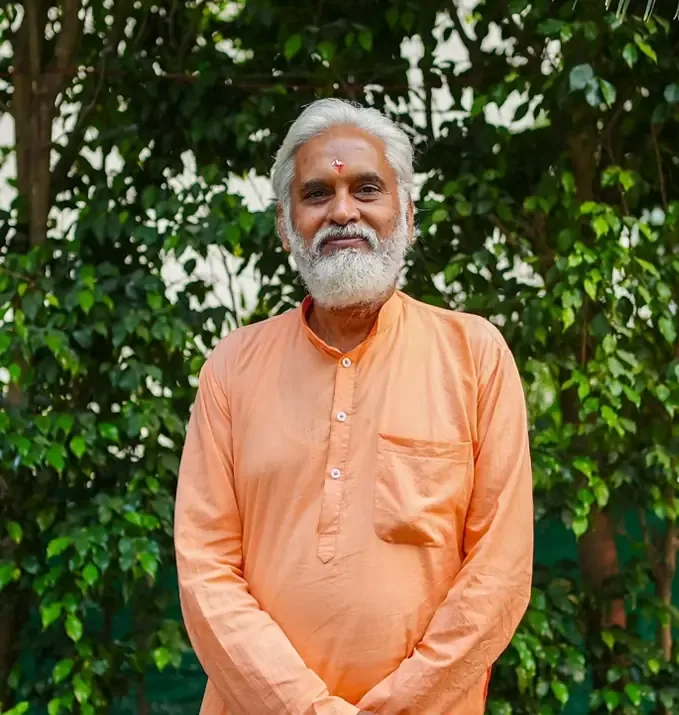
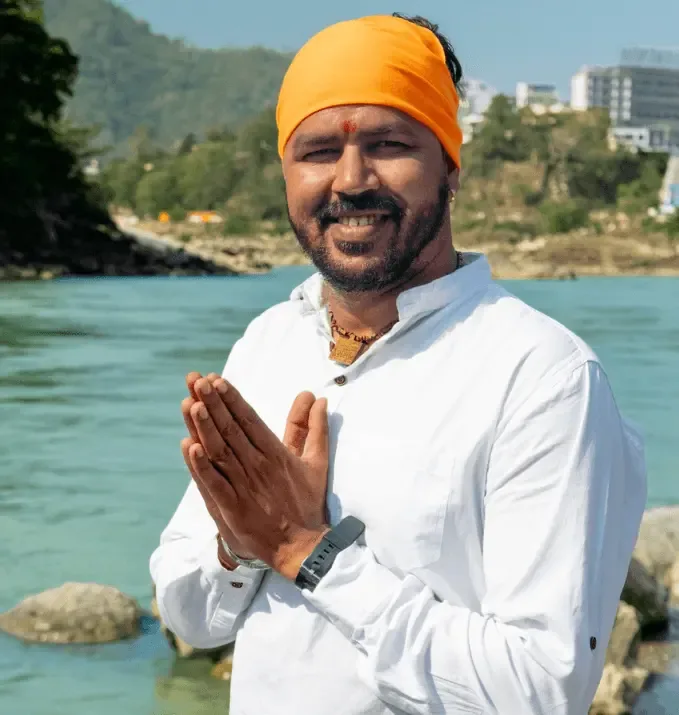
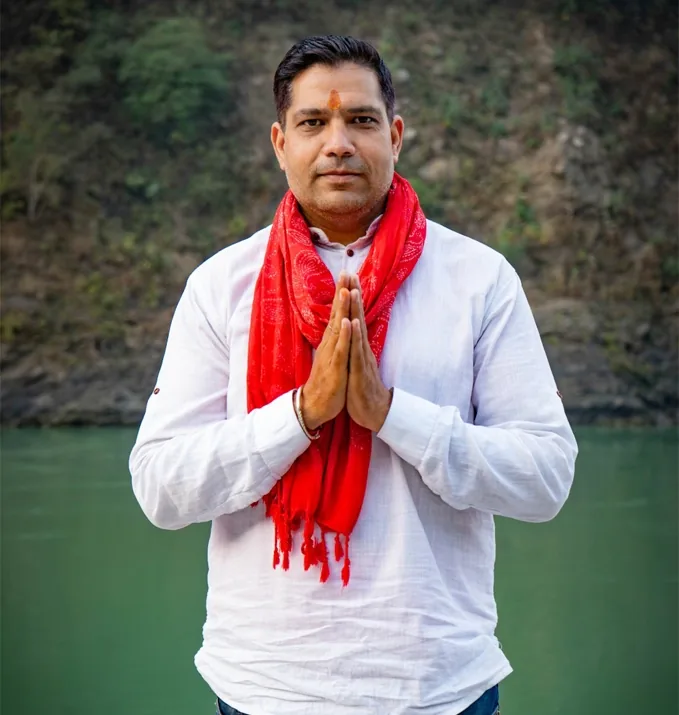
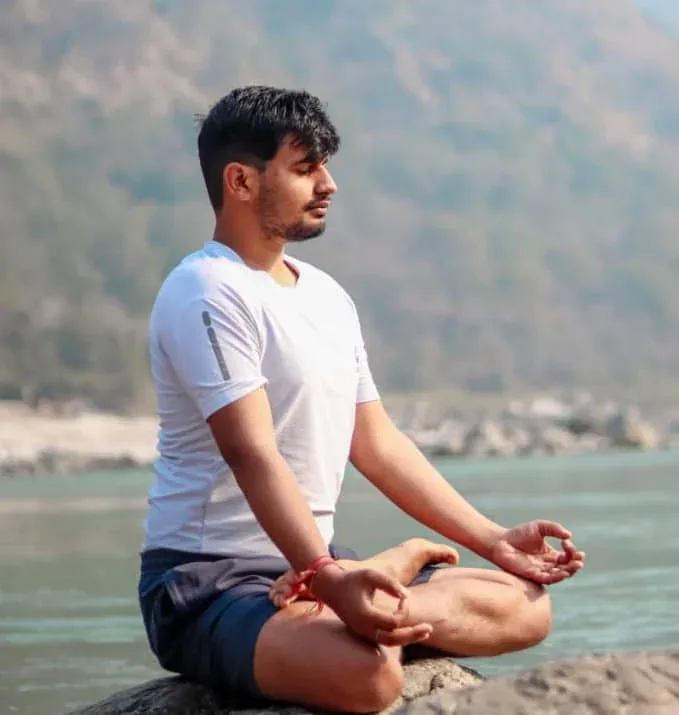
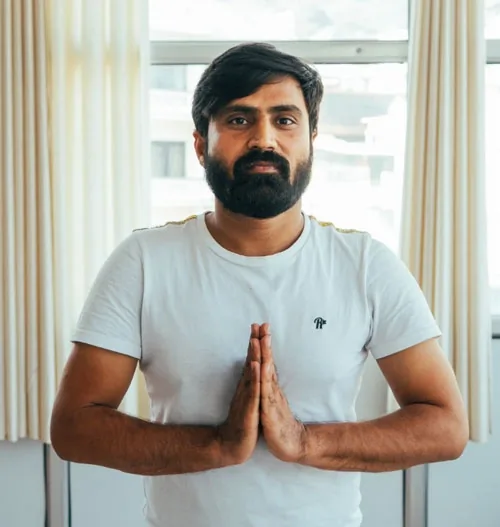
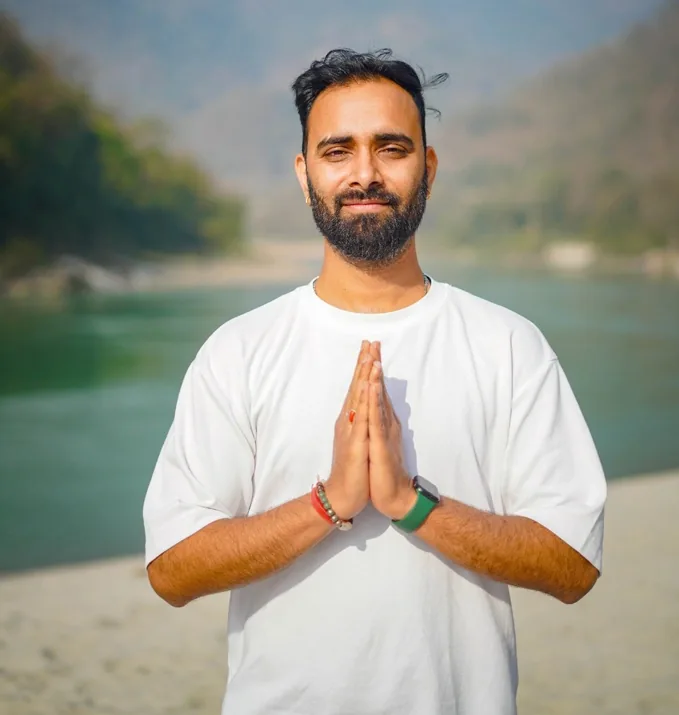
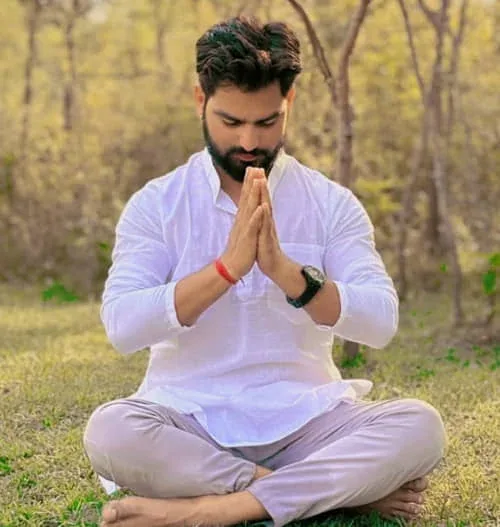
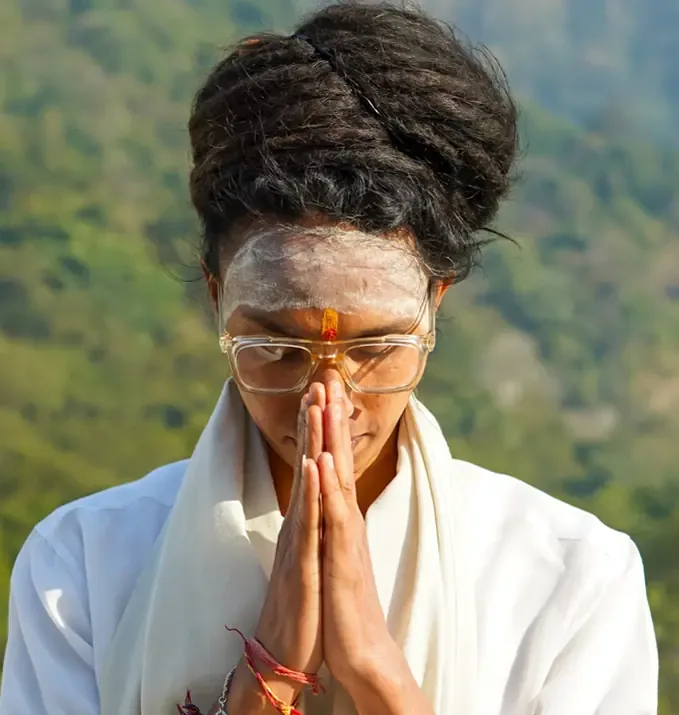
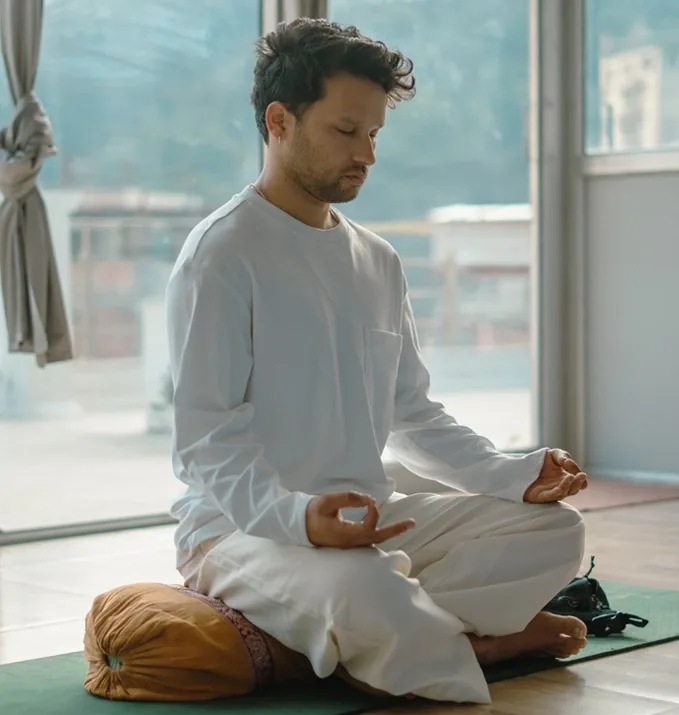
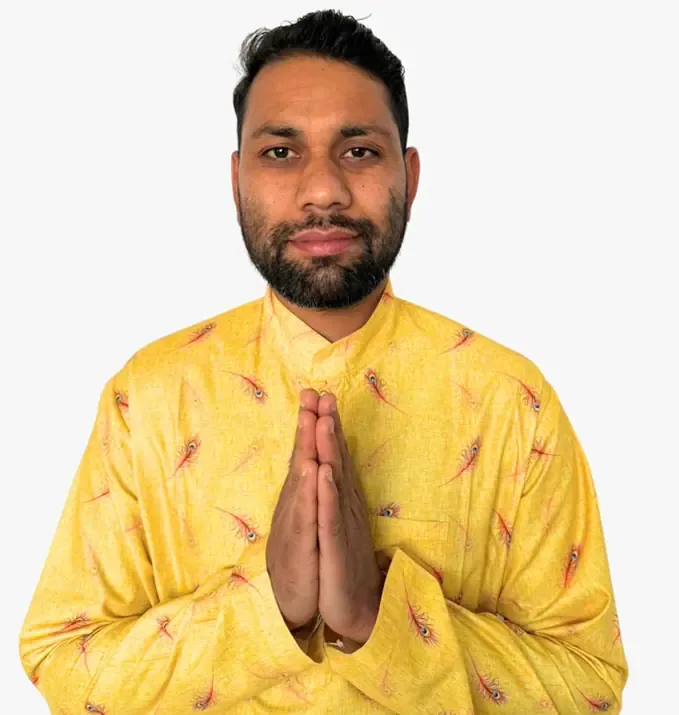
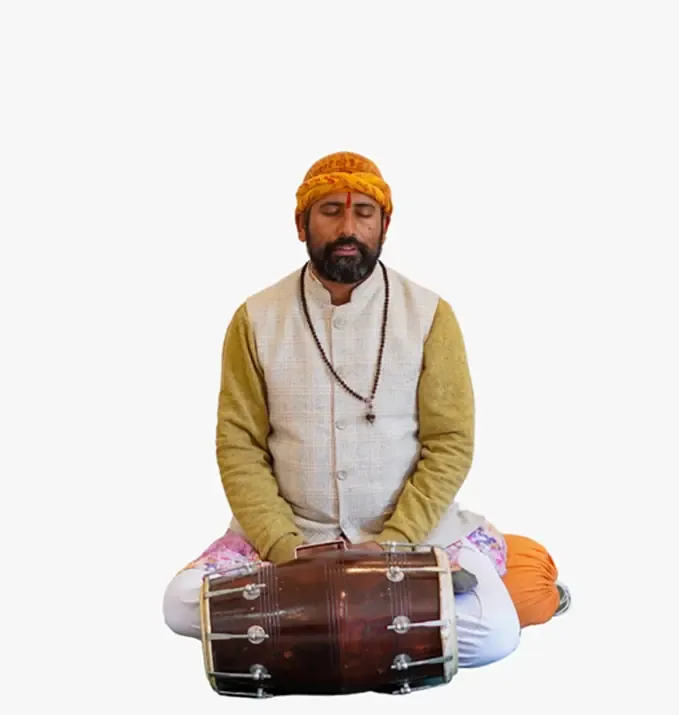
Experienced team
Meet the people who guide your practice, questions and learning. Their teaching areas are shown below; ask us about the team for your chosen batch.
Shared experiences · in their own words
Public reviews, original student words and direct links to the source.
A few short excerpts from students’ public Google reviews. Open the original reviews to read their full experiences and check the latest feedback.
“Thank you Mira yoga for a beautiful 200hr yoga teacher training experience.”
 Ru Dú láng
Google review excerpt
Read on Google ↗
“The place is generally calm, which is ideal for both practice and relaxation.”
 Matthieu Capron
Google review excerpt
Read on Google ↗
“The staff is responsive to all your needs.”
 Bogma trip
Google review excerpt
Read on Google ↗
Excerpts retain the reviewers’ own words. The rating above is a dated snapshot, not a live feed. Browse all Google reviews ↗
A glimpse of the Mira experience, shared in their own voices.
Your questions, answered personally
Coming alone, exploring India or unsure where to begin? Ask us anything. Share your question and your contact number with country code. We’ll reply to your enquiry personally.
What your time here can look like
Explore Hatha and Ashtanga Vinyasa alongside breathing, meditation and philosophy. There is more to discover than how a pose looks, and you don’t need to know it all before you arrive.
Practise putting a sequence together and explaining it to someone else. Whether or not you go on to teach, this can help you understand your own practice more clearly.
Your accommodation and daily meals are included. Choose a shared or private room, unpack your bag and spend these weeks with a regular place to return to after class.
You may arrive on your own. Classes, shared meals and excursions give you ways to get to know the people around you while experiencing Rishikesh together.
The setting for your studies
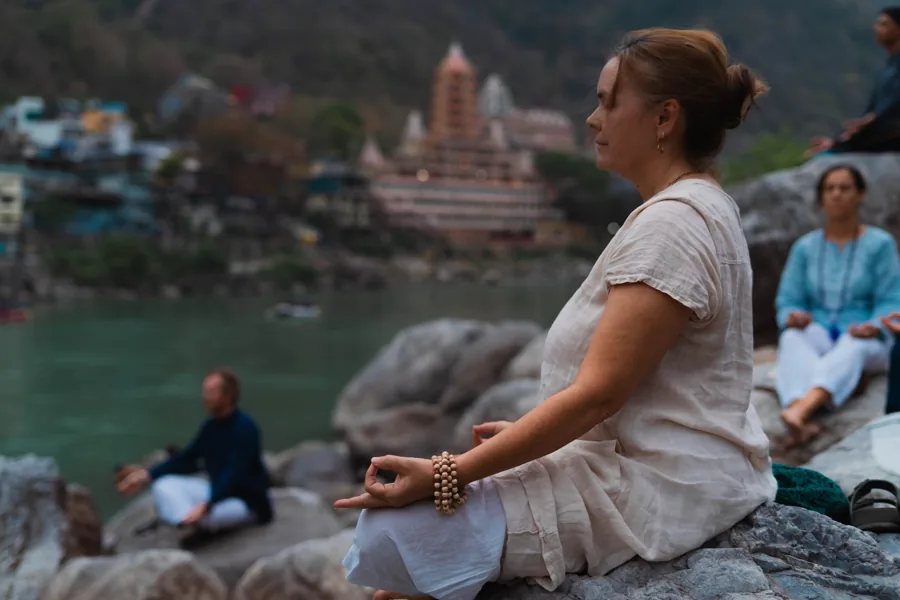
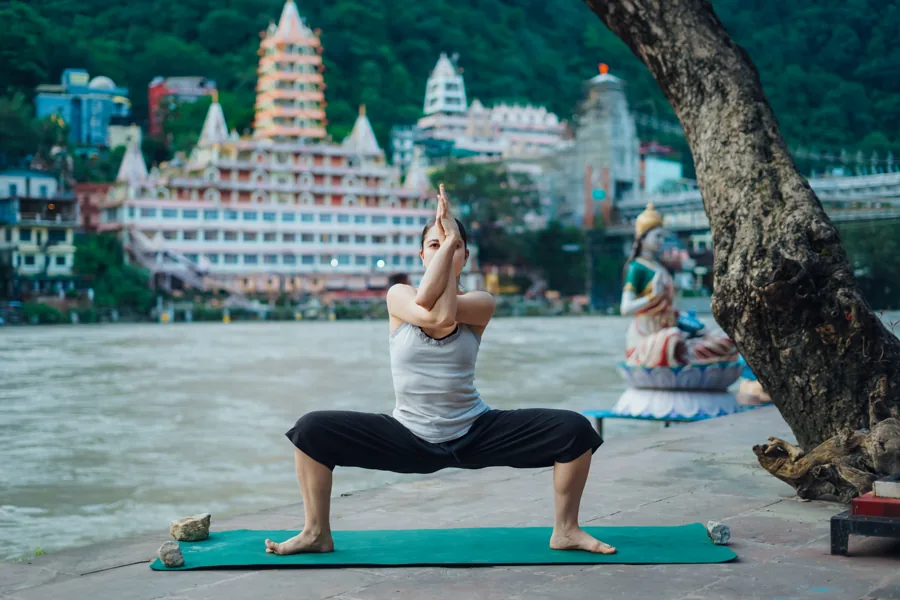
Rishikesh is widely known as the yoga capital of the world. Its ashrams, yoga schools and spiritual study traditions bring people here from many different backgrounds. Along the Ganga, temple rituals and evening Aarti offer a glimpse of the city’s living spiritual culture.
You don’t need to follow a particular belief to appreciate being here. You might enjoy a quiet riverside moment, a conversation after class, or simply getting to know a place beyond a short visit.
Practice with context
Explore breathing, meditation and philosophy alongside movement.
Make room for discovery
Visit the riverfront and local cafés around your timetable. Allow extra days for longer trips.
Practise · share · belong
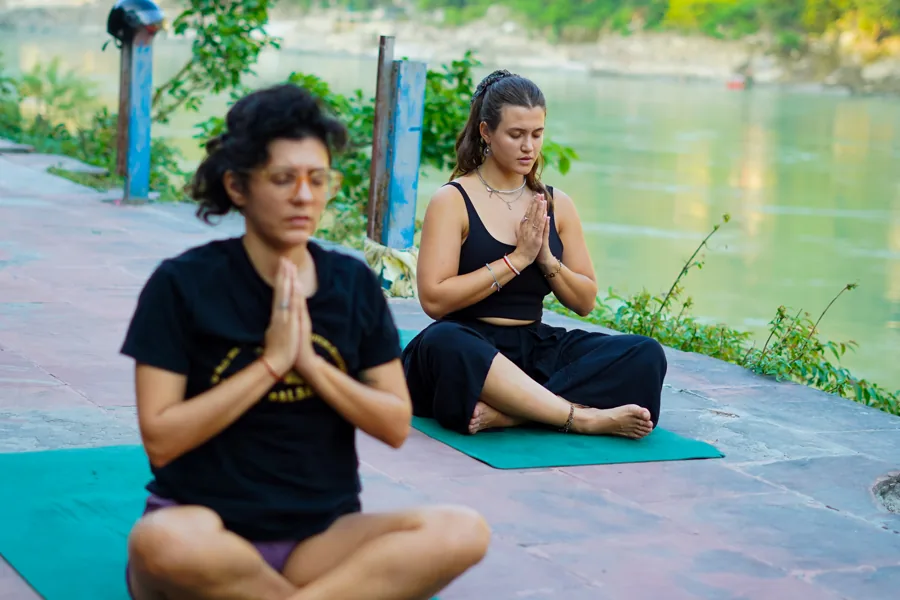
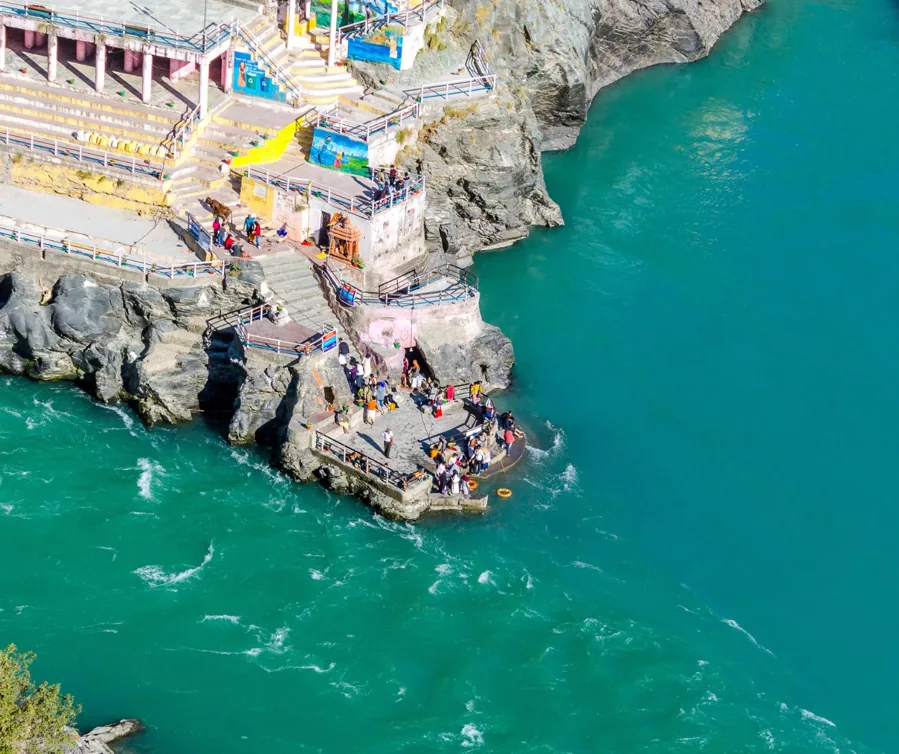
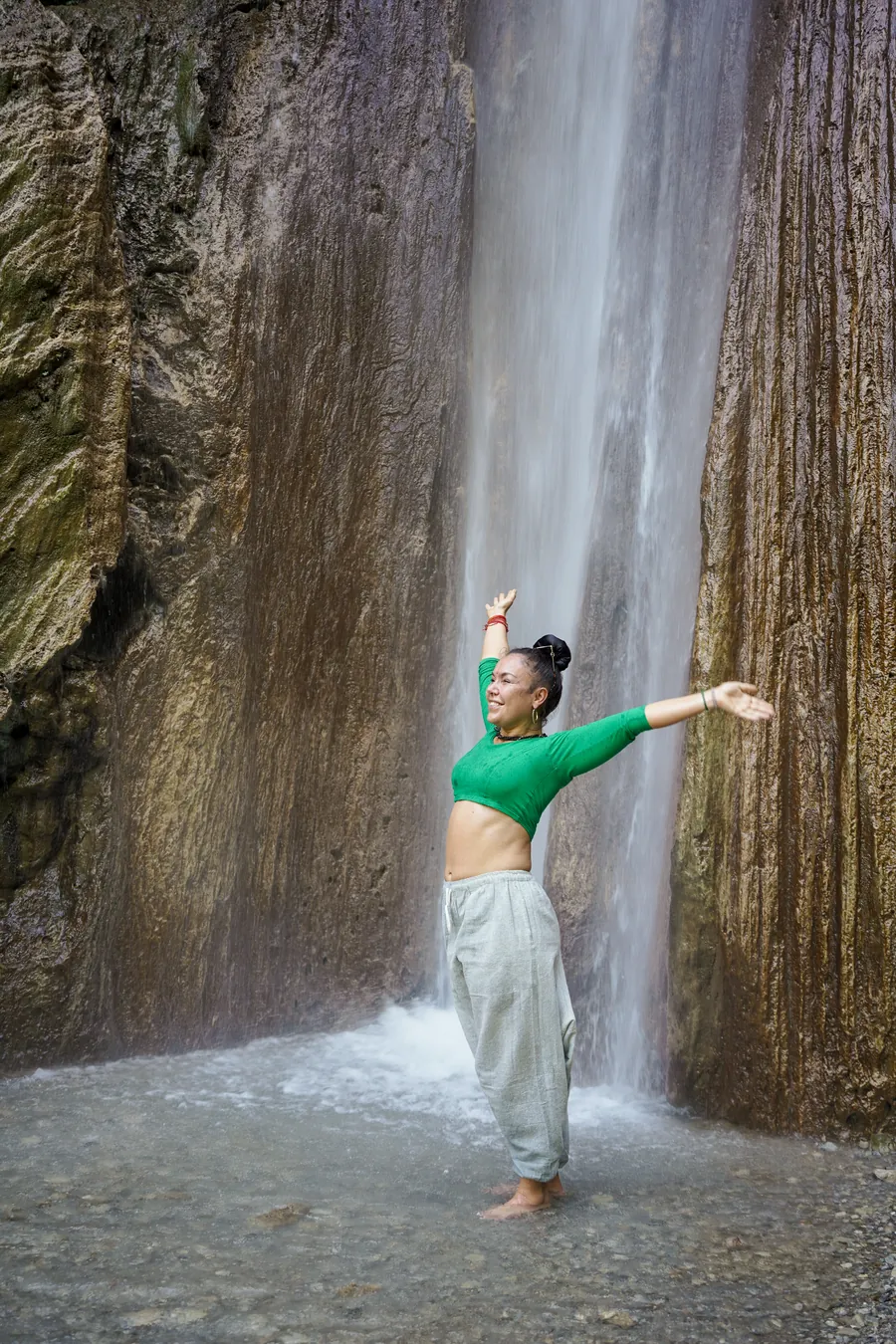
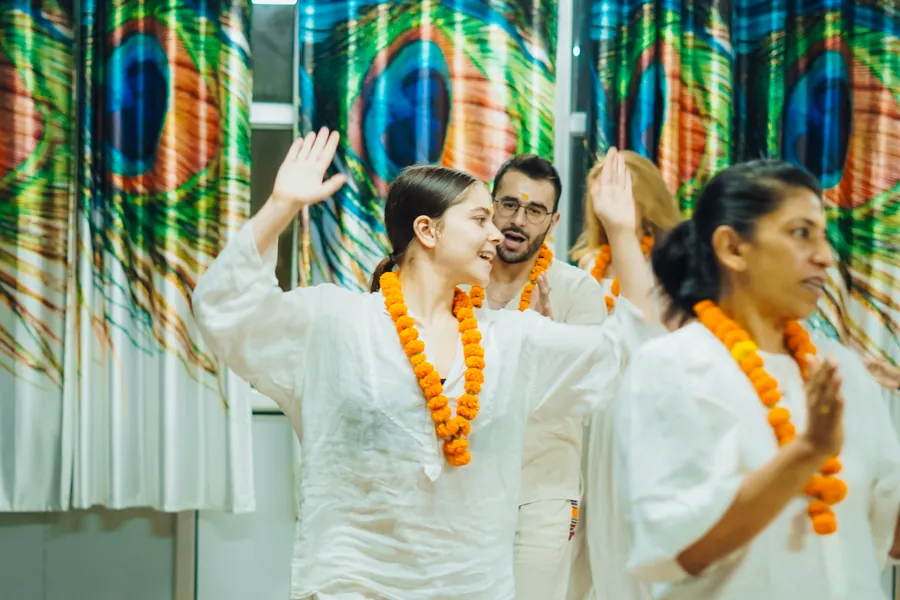
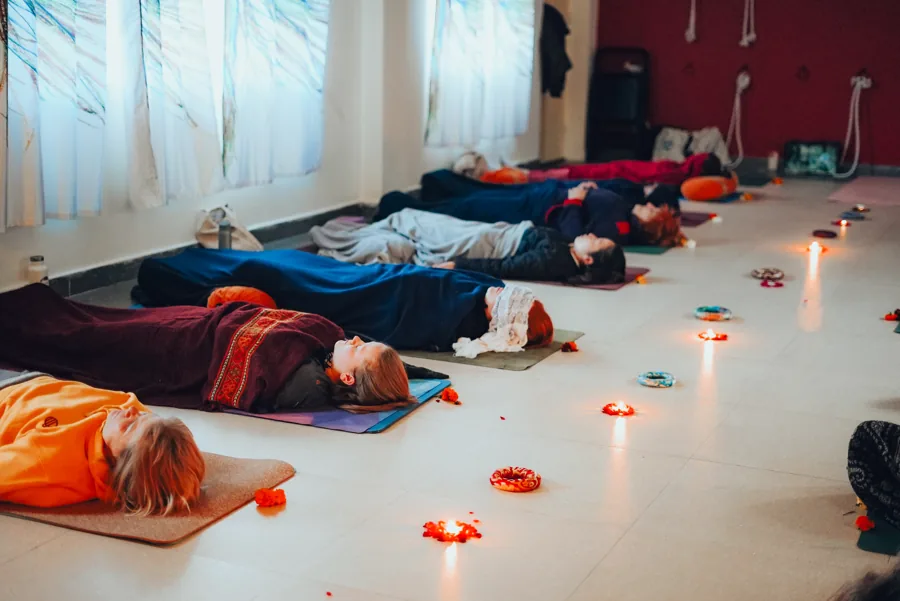
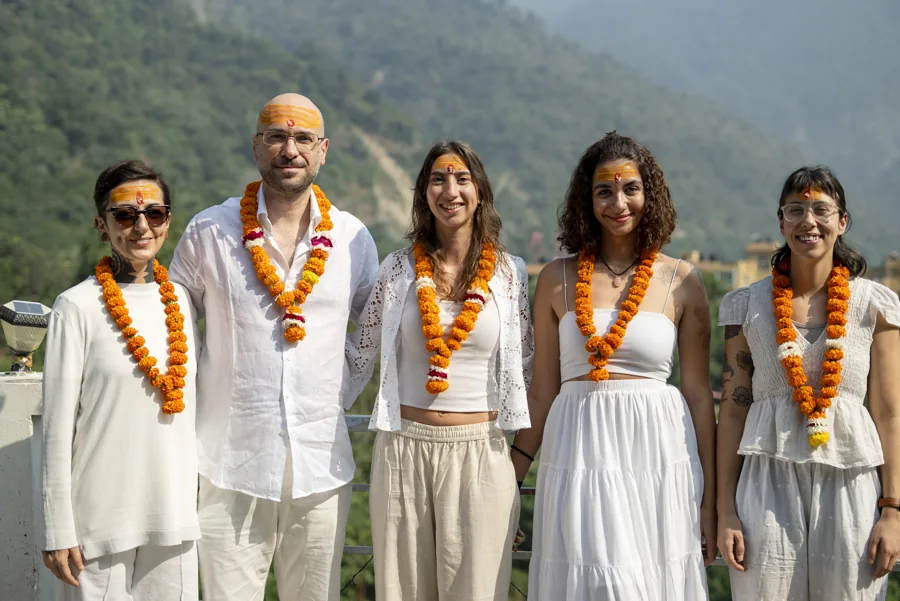
A meal together, a conversation after practice, music at a ceremony—these are part of spending a few weeks here, too. The photographs show moments from student life, so you can get a sense of the people and surroundings before you arrive.


Your home in Upper Tapovan
Choose a private room or twin-shared accommodation for your 23-night residential stay. Rooms have attached bathrooms and space to rest between classes. Your training, meals and accommodation form one residential package, helping you settle into the daily rhythm of the school.
Wi-Fi, filtered drinking water, hot water and housekeeping are listed among the school’s accommodation amenities. Air conditioning and heaters are available on request at an additional charge. Room allocation depends on availability; tell the team your preferences before booking.


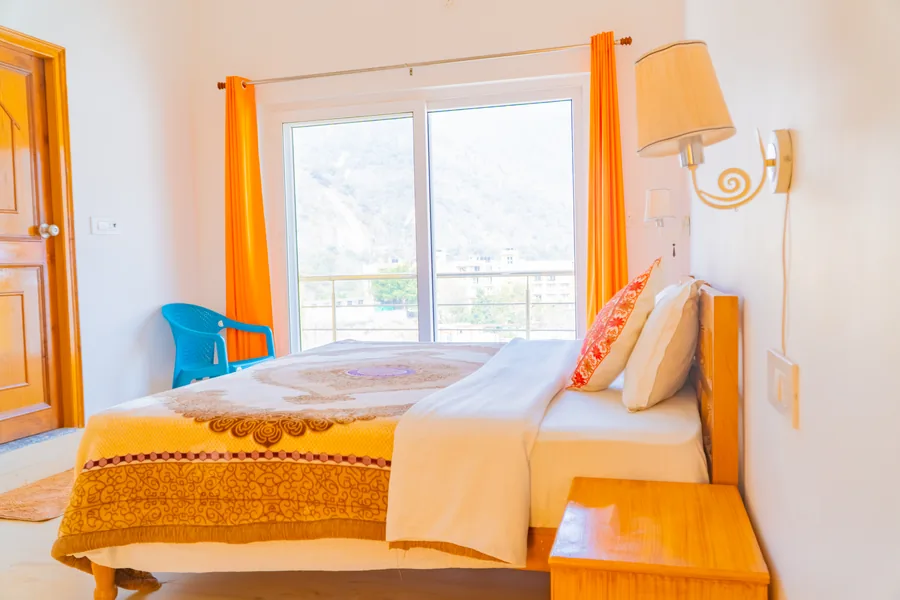


Browse the full gallery using swipe or the arrows. Photos show different rooms and views; your room is confirmed by the team.
Fresh meals · shared moments
Your residential course includes three vegetarian meals daily and filtered drinking water. Meal breaks give you time to rest and connect with other students between practice and study.
Meals bring together dishes such as dal, rice, roti and seasonal vegetables. The daily menu varies. Tell us about allergies, vegan preferences or other dietary needs before booking so the kitchen can confirm suitable arrangements.
Discuss your dietary needs →Photographs show examples of vegetarian meals. Menus vary by day.
Practice, culture & connection
Explore life beyond the classroom through shared practice, music, ceremonies and outings around Rishikesh. The team arranges activities around each batch; outdoor plans depend on weather and the course schedule. Any separately priced activity is marked below.
Settle into a sound healing session with singing bowls and space to rest.
Ask the team about an Ayurvedic massage, availability and any additional charge.
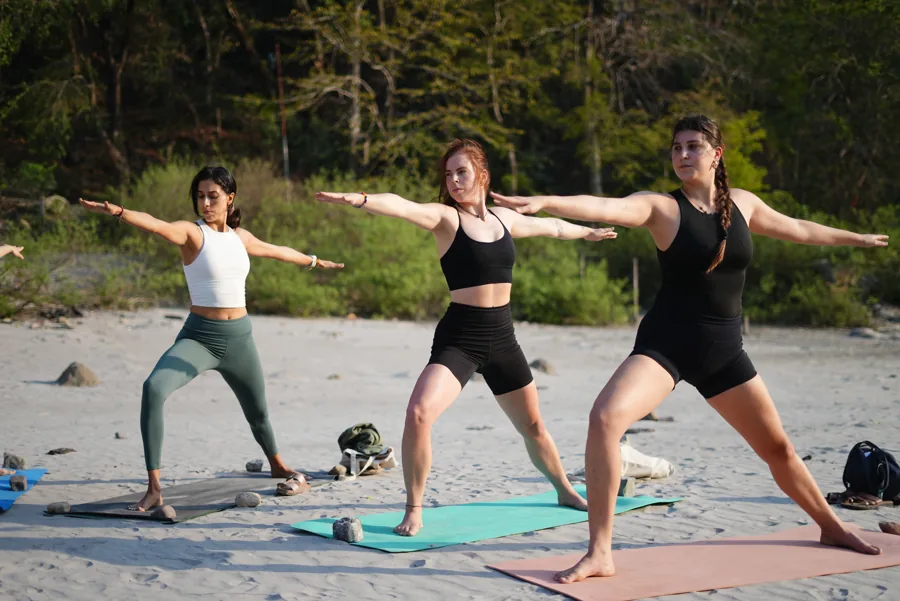
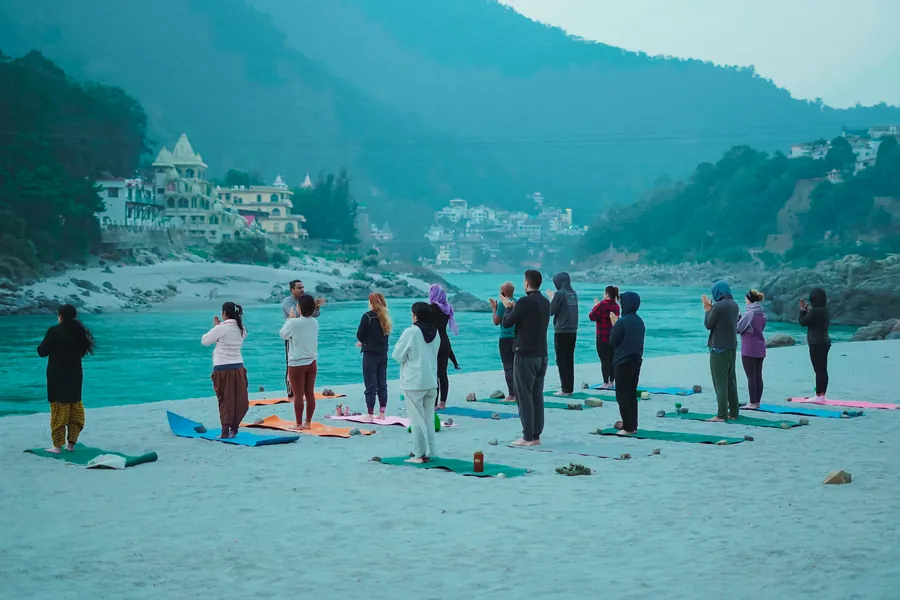
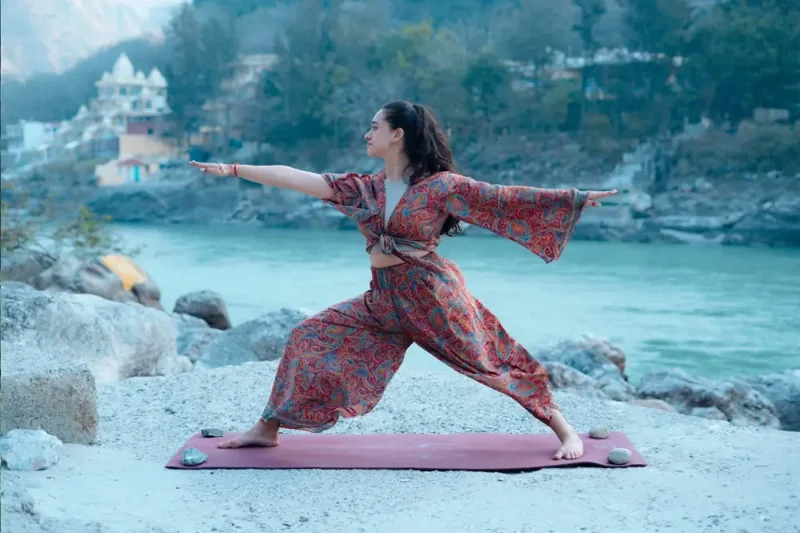
Take your practice outdoors on the river beach in Rishikesh.
Explore partner practice, shared balance and playful movement.
Connect through rhythm and movement in a group dance session.
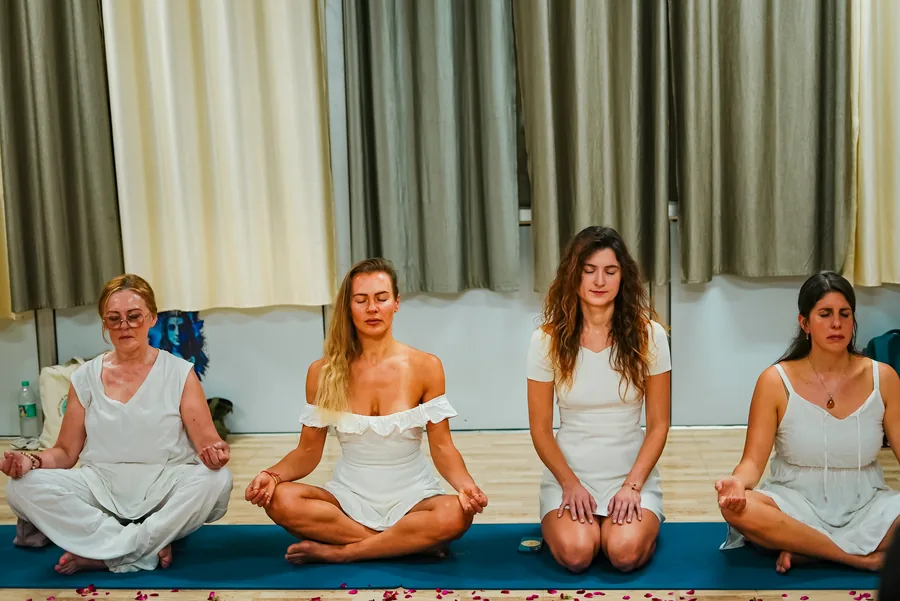
Make time for silence, observation and awareness in meditation.
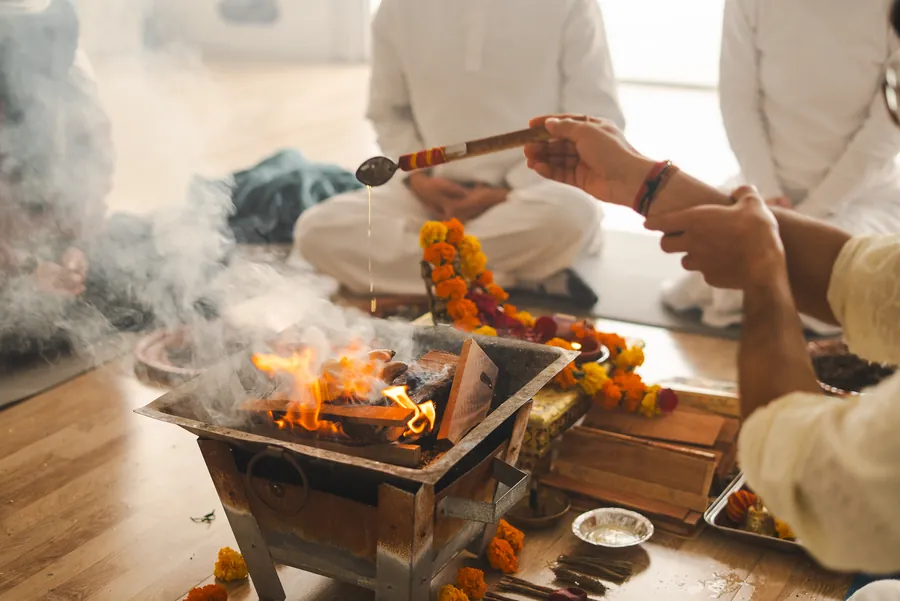
Begin your course with the school’s traditional fire ceremony. Gather with fellow students, hear Sanskrit mantras and set an intention for your time in Rishikesh.
Join devotional singing and mantra sessions. These shared gatherings introduce the sound, rhythm and community associated with bhakti yoga.
Make time for the early light over the Himalayan foothills. Sunrise outings offer a setting for quiet reflection alongside the classroom programme.
Explore local nature on waterfall walks in the Rishikesh area. Routes and timing are arranged around the weather, group and course schedule.
Explore movement beyond a set asana sequence, combining awareness, stretching and creative expression.
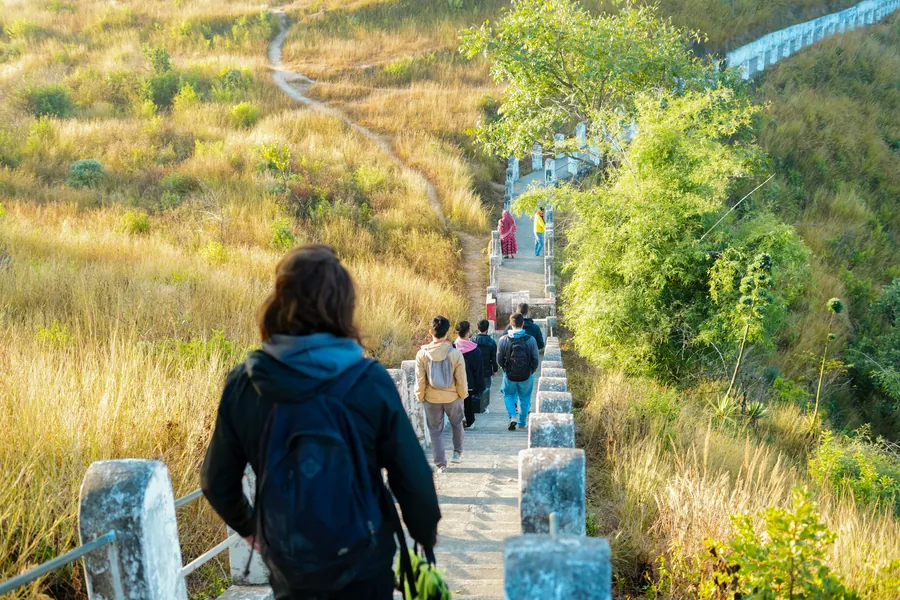
Spend time in the surrounding hills and discover the landscapes that shape life around Rishikesh.
Take part in group activities that encourage connection, attention and shared learning beyond formal classes.
Explore the cultural and spiritual setting of Rishikesh through visits to local temples and ashrams.
Discover a quieter setting for meditation during the school’s cave excursions. The team confirms the destination and timing for each group.
If your birthday falls during training, celebrate the occasion with the Mira community.
Experience the evening ritual of lamps, prayer and chanting on the banks of the Ganga.
Discover local Uttarakhand culture through its music and folk dance traditions.
Understand the course
A 200-hour yoga teacher training is an introductory programme in yoga practice, theory and teaching skills. At Mira, these subjects are studied together during a residential stay, with time for both personal practice and learning to guide others.
Explore posture alignment, breathing and steady attention. Hatha practice helps you study individual poses, while Ashtanga Vinyasa connects movement with the breath. Learn to recognise where support or a variation is useful.
Study anatomy and yoga philosophy alongside practical sessions. Teaching methodology brings these subjects together through sequencing, demonstration, verbal cues and supervised practice with fellow students.
A 200 hour YTTC is a foundation for continued study. Keep practising, reflect on feedback and build teaching experience at a pace suited to your preparation. You can also explore further training when you are ready.
Take the experience home with you
If teaching interests you, keep practising how to plan a class and explain what you know. Start with familiar material and learn from feedback as you build experience.
You might take home a short morning practice, a breathing exercise you enjoy, or questions you want to keep exploring. Your next step can be personal; it does not have to become a teaching career.
When you are ready for deeper study, review the entry requirements and syllabus of our 300-hour yoga teacher training in Rishikesh . Choose your next step around your experience and goals.
Bring your curiosity
You don’t need to finish a stack of books before you arrive. A few pages—and a few questions—are a good start.
An accessible introduction to the Yoga Sutras of Patanjali or the Bhagavad Gita can give you something to reflect on. Choose a language you feel comfortable reading.
Keep a small notebook. What feels unfamiliar in a class? Which ideas would you like explained? Bring those questions into your training.
Ask about the current manual and suggested editions before buying books. Reading is preparation, not an entrance test.
Ask about study materials →Student guidelines & booking policy
The school’s published policies prohibit harassment and retaliation. Students are expected to help maintain a respectful learning environment and report concerns to the team.
Attendance and participation are required for course completion. Discuss any circumstances that may affect your attendance before enrolling.
Advance deposits are non-refundable. You may postpone to an identical course within one calendar year of the original start date, or transfer your booking to another student. Contact the team to arrange changes.
A little clarity before you begin
A 200-hour yoga teacher training is a foundation course covering yoga practice, anatomy, philosophy and teaching skills. Mira’s residential course combines Hatha and Ashtanga Vinyasa with pranayama, meditation and teaching methodology in Rishikesh.
Yes. The course welcomes beginners as well as students with an established practice. You do not need advanced flexibility. A willingness to attend the full programme, practise consistently and learn is important. Tell the team about any relevant limitations before booking.
The course runs for 24 days and includes 23 nights of accommodation. The published monthly schedule is arrival on the 1st and departure on the 24th. Ask the team to confirm your chosen batch before booking travel.
The published course fee is USD 1,150 per person in shared accommodation or USD 1,350 in a private room. Training, accommodation and meals are included. Review the exclusions and confirm availability before paying a deposit.
Yes. Classes are taught in English. You will encounter traditional Sanskrit terms, with explanations as part of the course.
No. A course completion certificate and Yoga Alliance RYT 200 registration are different. Registration is a separate process, subject to Yoga Alliance requirements and fees. Mira’s school registration certificate is displayed in the certification section and is valid until 13 July 2027.
Three vegetarian meals daily are included, with filtered drinking water. Discuss vegan requirements, allergies or other dietary needs with the team before booking so they can confirm what can be provided.
Mira Yoga Retreat is on Balaknath Road, behind Raha Cafe, Upper Tapovan, Rishikesh, Uttarakhand 249192. Dehradun Airport is the nearest airport. The course page includes a Dehradun arrival pickup; share your flight details with the team to arrange it. Delhi pickup and return airport transfers cost extra.
Bring comfortable practice clothes, walking shoes, toiletries, a reusable water bottle, any personal medication and layers suitable for the season. Ask the team for the current packing guidance before you travel.
Advance deposits are non-refundable. The published policy allows you to move to an identical course within one calendar year of your original start date, or transfer the booking to another student. Confirm the arrangements with Mira before making changes.
Rishikesh combines yoga study with the Ganga, Himalayan foothills, temples and ashrams. The residential programme gives you a daily routine of practice and study alongside cultural experiences.
Choose from the published batches according to your travel plans and preferred season. Pack warm layers for winter and rain protection for monsoon. Confirm your dates with the team before booking travel.
The sample timetable begins with morning Hatha yoga, followed by pranayama and meditation. The day includes meals, anatomy, philosophy, Ashtanga Vinyasa and time for practice and study. The detailed schedule above is indicative.
You can enquire about joining individually and choose shared or private accommodation. Discuss arrival pickup, room arrangements and any concerns with the team before booking. Follow ordinary travel precautions during your stay.
Check current entry and visa requirements with the official Indian visa service or the Indian embassy or consulate responsible for your country. Requirements depend on your circumstances; confirm them before travel.
Use your training as a foundation for further practice and teaching development. Continue building experience in sequencing, communication and class management. Yoga Alliance registration, where eligible, is separate from course completion.
Yes. You can take Mira’s 200-hour yoga course for your own practice and understanding, even if you have no plans to teach. You’ll join the same classes and teaching exercises as everyone else. Receiving the completion certificate depends on meeting the course requirements, not on choosing teaching as a career.
Yes. The 24-day residential course can be part of a longer trip to India. Plan independent sightseeing around classes and the arranged excursion programme. For longer trips or a more flexible travel schedule, allow extra days before or after the course. Ask us about the timetable before booking your travel.
Your journey to the foothills
Arrive by air, rail or road. We’ll help you plan the final part of your journey to Upper Tapovan.
By air
Fly to Dehradun Airport and share your flight details with the team after confirming your course. Your arrival pickup is included.
By train
Plan your rail journey to Rishikesh or Haridwar, then arrange the onward journey to Upper Tapovan. Ask the team for arrival guidance.
By taxi
A road transfer from Delhi can be arranged at an additional cost. Confirm the pickup point and fare with the team before travelling.
By bus
Travel by bus to Rishikesh, then take local transport to Upper Tapovan. Use the school’s Google Maps listing for the final directions.
We look forward to welcoming you
Dehradun arrival pickup is included. Return airport transfers and Delhi pickups cost extra.
Three clear booking steps
Review the published dates and shared or private accommodation fees.
Ask about availability, course requirements, dietary needs and arrival arrangements.
Use the application form and follow the team’s confirmed payment instructions. The published booking policy places the balance payment on arrival. Before paying, ask us to confirm the deposit amount, payment methods and any currency or transaction charges in writing. Review the cancellation terms too.
Apply for the 200-hour course →Your next chapter
You do not need to wait for a new year, a new month, a new week, or a new day to start over. You can decide right now if you want better — and start again at this very moment. Sometimes the perfect time to begin your 200 hour yoga teacher training is right now.
There is no perfect season. There is no perfect opportunity. There is only the present moment and what you choose to do with it. If these weeks feel right for you, we’re here to answer your questions. Take a look at the dates, talk with our team, and choose a time that works for your life.
Ask about the next batch → Places are subject to availability. Confirm your dates with our team.Your next chapter starts with a conversation
Ask about your preferred batch, rooms or the course itself. Our team will help you understand the next step before you commit.
Mira Yoga RetreatChoose your preferences to prepare a WhatsApp enquiry.
Find your next step
Explore programme →
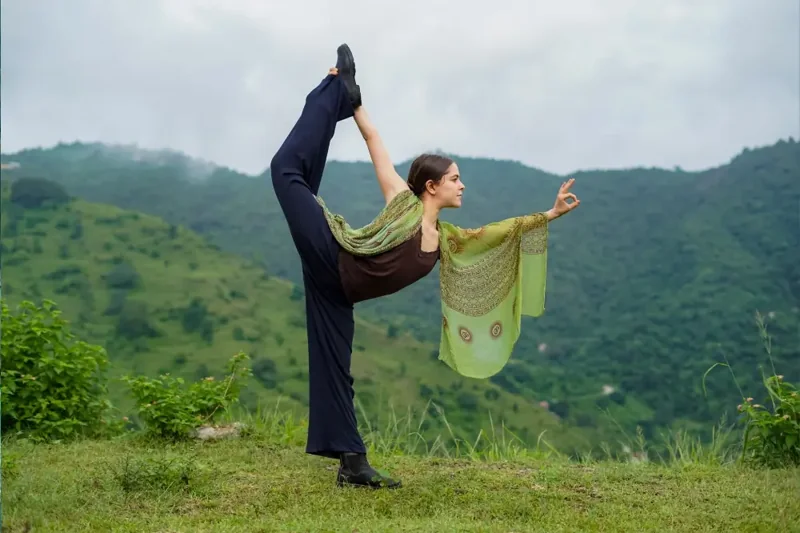
Explore programme →
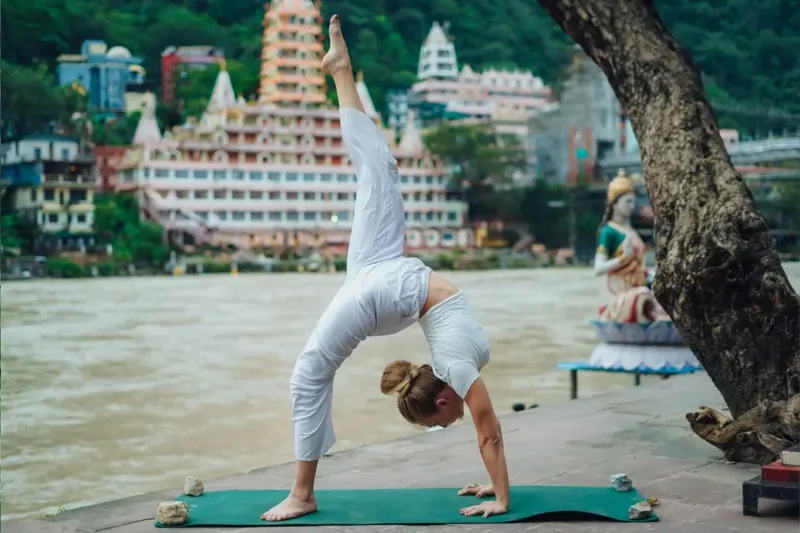
Explore programme →
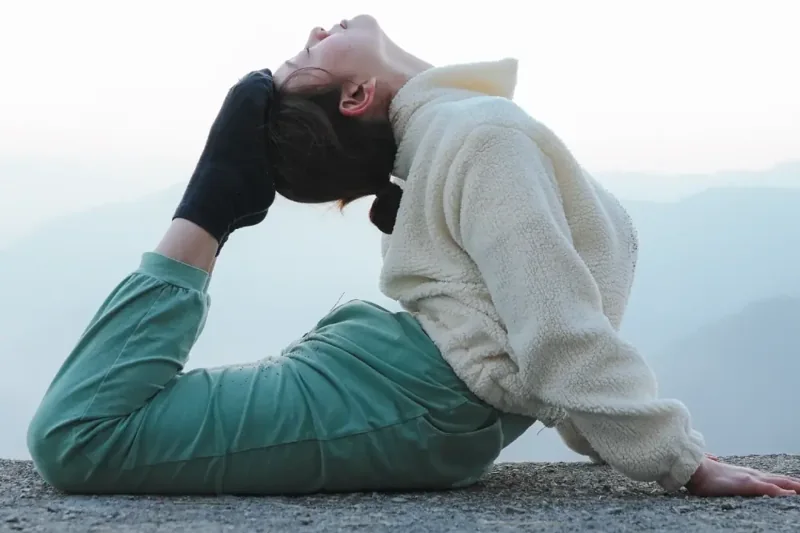
Explore programme →
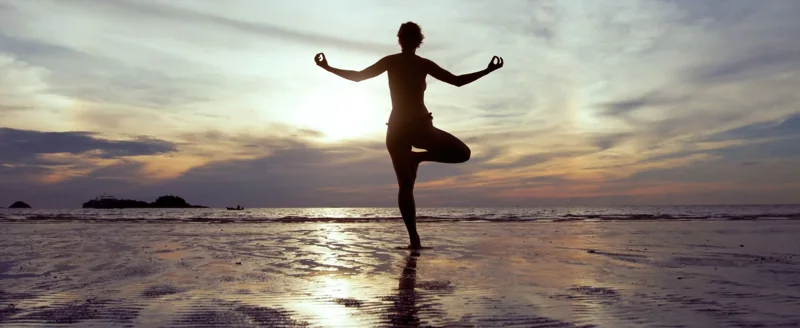
Explore programme →
Explore programme →
Explore programme →
Explore programme →
Explore programme →